

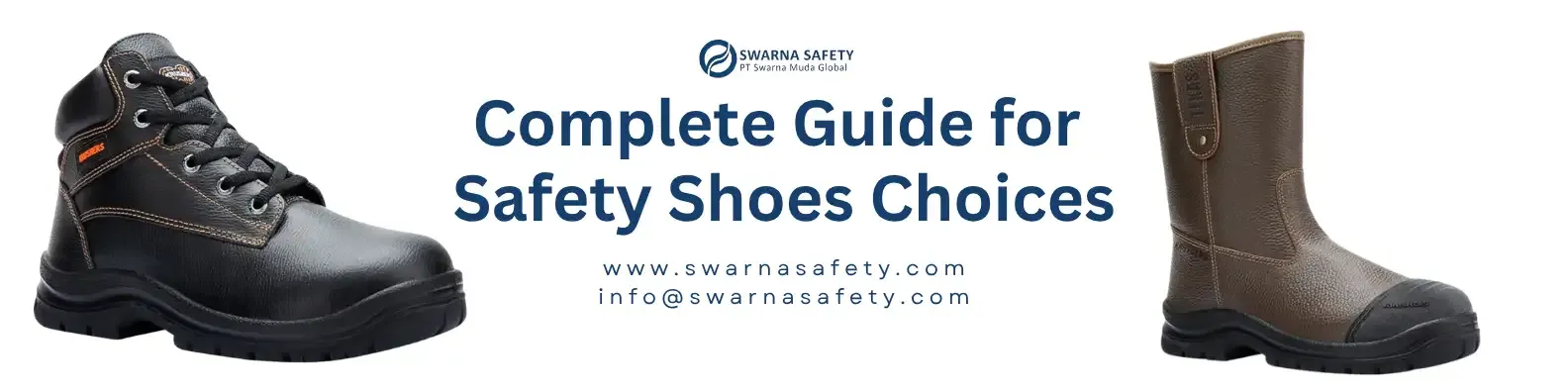
Complete Guide to Safety Shoes Choices: Types, Standards (S1, S2, S3), and Uses
Safety shoes are essential in many industries where workers are exposed to physical hazards. From construction sites to mining operations, choosing the right safety footwear is critical for both protection and comfort.
What Are Safety Shoes?
Safety shoes are specially designed footwear that protects workers from injuries caused by heavy objects, sharp materials, slippery surfaces, and hazardous environments.
They are commonly used in industries such as:
- Construction
- Mining
- Manufacturing
- Oil and gas
Types of Safety Shoes
There are several types of safety shoes, each designed for specific working conditions:
- Steel Toe Shoes: Provide maximum protection against heavy impact and compression.
- Composite Toe Shoes: Made from non-metal materials, lighter and suitable for environments requiring metal-free footwear.
- Waterproof Safety Shoes: Ideal for wet environments, keeping feet dry and comfortable.
- Slip-Resistant Shoes: Designed to prevent slipping on oily or wet surfaces.
Understanding Safety Standards (S1, S2, S3)
Safety shoes are categorized based on international standards:
- S1 Safety Shoes: Basic toe protection, anti-static properties, and suitability for dry environments.
- S2 Safety Shoes: Includes S1 features, plus a water-resistant upper for slightly wet conditions.
- S3 Safety Shoes: Includes S2 features, plus a puncture-resistant sole and anti-slip outsole for heavy-duty environments like mining and construction.
Why Choosing the Right Safety Shoes Matters
Wearing the wrong type of safety shoes can lead to injuries, discomfort, and reduced productivity. Proper footwear not only protects workers but also improves efficiency and confidence on site.
Conclusion
Understanding the types and standards of safety shoes is the first step in ensuring workplace safety.
Whether you need S1, S2, or S3 safety shoes, selecting the right type depends on your working environment and risks involved.
Next Article